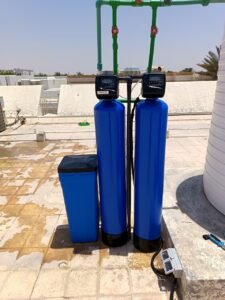
Home Water Filter Installation Guide & Prices in UAE
A complete guide to choosing and installing

One of the most common questions customers ask water-cooling companies is a simple one: which is better, cooling water with Freon or with air? The honest answer is that each method has its own strengths as well as drawbacks, and those pros and cons vary from one cooling system to the next. As a rule, though, the smart choice is always the system whose advantages clearly outweigh its shortcomings, because that is how you achieve reliable, high-quality cooling while keeping your equipment running for years to come.
The reason this matters so much is that cool water is a genuine necessity in our climate, especially during the peak of the summer heat. Choosing the right cooling method with real care is what allows you to enjoy the best results and to pick a water tank cooling unit that will serve you for as long as possible, at high quality, and without constant breakdowns or repeated maintenance visits. In today’s article we will take a detailed look at both Freon and air water cooling, explain why each one matters, and walk through the advantages of each, so that by the end you can decide for yourself which is better: cooling water with Freon or with air.

Before we can decide which is better, cooling water with Freon or with air, we first need to understand how Freon cooling actually works so we can weigh up its strengths and weaknesses. In simple terms, Freon water cooling refers to systems and units whose operation depends mainly on Freon refrigerant gas to bring water temperatures down precisely and efficiently. Freon is a chemical compound with a remarkable ability to absorb high levels of heat and then carry that heat away through dedicated pumps built into the cooling system, giving you far greater cooling power.
Because of this, every Freon-based water tank cooling unit is designed around a closed cooling cycle. First, the Freon gas is pumped toward a special evaporator fitted inside the tank. As it passes through the evaporator, it absorbs heat from the water, quickly and easily lowering the temperature of the water in the tank. The now-warmed Freon is then routed to a condenser located outside the tank, where it is cooled again and pumped back to repeat the cycle. This process runs continuously, guaranteeing that the water inside the tank stays perfectly cold even during the hottest hours of the day. By now it is becoming clear which is better: cooling water with Freon or with air.

Freon cooling is an extremely important technology in places that suffer from severe heat, because it is simple to run and delivers fast, dependable results, supplying cool water that is fit for drinking or for any other everyday use. Just as importantly, cooling your water tank with Freon helps eliminate every kind of parasite and microorganism that can multiply and thrive in warm water, so you end up with clean, clear water that is free of sediment, cloudiness, and unpleasant odours.
On top of that, Freon gas is completely safe and poses no threat to human health, which makes it perfectly suited to cooling the water in storage tanks. Finally, we can say that Freon is the economical, environmentally friendly solution. So when we ask ourselves which is better, cooling water with Freon or with air, the answer becomes obvious: Freon cooling is the superior choice for every use and every set of conditions.
Air water cooling is a type of cooling system that relies on moving the air surrounding the tank in order to shed excess heat and disperse the warmth absorbed by a refrigerant fluid, rather than using water directly to cool it. The process works by passing air over a special condenser or radiator, which absorbs the surplus heat and brings the water temperature down.
In many cases, air cooling depends on very simple, basic fans that move the air around the tank, or that are mounted directly at the tank lid to blow air onto the water in order to cool it. In general, however, these simple techniques cannot deliver the level of cooling you actually need, particularly in extremely hot regions such as the United Arab Emirates. Air cooling also brings a number of drawbacks, such as leaving the tank lid exposed and open to dust, as well as allowing insects and crawling creatures to get into the water and contaminate it, along with other downsides that on their own answer the question of which is better, cooling water with Freon or with air. It becomes only natural to conclude that Freon water cooling is the better option for every use and in every region.

When we ask ourselves which is better, cooling water with Freon or with air, it is worth remembering that whether you choose Freon cooling or air cooling, a great deal depends on the specific application, the equipment involved, and your particular cooling requirements. That said, Freon water cooling is generally the better choice, and here are some of the advantages Freon cooling holds over air cooling:
Lower upfront cost:
Freon cooling systems generally carry a lower initial cost than air cooling systems, since they require less equipment and infrastructure to install.
Freon cooling systems are generally easier to maintain than air cooling systems, because there are no water treatment or filtration systems to worry about.
Freon cooling systems can be installed in a wide range of locations and environments. They suit every condition and climate and keep working even in the harshest weather, unlike air-based systems, whose performance is held back by the prevailing climate.
Risk of damage:
Freon cooling systems pose no risk of damage to equipment or property in the event of a leak or fault, whereas water-based cooling tends to cause bigger problems when something goes wrong.
Freon gas is completely safe and poses no direct threat to human health; if anything, quite the opposite.
Quieter operation:
Freon cooling systems are generally quieter than air cooling systems because they do not require running fans and do not produce annoying noise.
Freon-cooled systems can control the temperature of the refrigerant with precision, which can be important in certain applications.
Despite all the advantages of Freon water cooling, air cooling does have some benefits of its own, including:
Air cooling systems are usually more efficient overall at cooling than some other cooling systems.
Air cooling systems can be more energy efficient than Freon cooling systems, because they do not require as much power to move the refrigerant fluid.
By comparing the features of each side by side, we can easily work out which is better: cooling water with Freon or with air.

Using Freon to cool a water tank is one of the most effective, energy-saving solutions available, and the most notable benefits this system delivers include:
Outstanding cooling efficiency, the capacity to handle large tank volumes, the ability to cool every layer of water inside the tank, and a supply of cold water that lasts for many hours.
Freon also stands out for its exceptional ability to absorb heat rapidly and carry it away from the water, which ensures a consistently low temperature at all times.
This high efficiency helps reduce energy consumption compared with traditional systems that rely on water or air cooling.
Alongside its high efficiency, when we ask which is better, cooling water with Freon or with air, we find that Freon is far superior, because a Freon water cooling system is a sustainable one. One of the main benefits of using Freon is that it is a non-flammable substance, which makes it a safe choice for use in a variety of environments.
Freon-based systems also reduce the need for ongoing maintenance, which means long-term cost savings.
Environmental sustainability is another important factor when it comes to Freon, since the materials used in these systems are often gentler on the environment than those in traditional systems, as they are designed to cut harmful emissions.
What is more, individuals and organisations who choose to cool their water tank with Freon can play a part in protecting the environment and shrinking their carbon footprint.
Compared with other traditional systems such as water or air cooling, the Freon system offers superior advantages.
Traditional systems may also require large amounts of water or electricity, which drives up operating and maintenance costs.
In addition, traditional systems can be less efficient in hot, dry climates, where achieving the required level of cooling is difficult.
In the end, we can say that using Freon to cool a water tank offers a set of benefits that make it an ideal choice.
From high efficiency to environmental sustainability and energy savings, we can answer the question of which is better, cooling water with Freon or with air, and conclude that Freon is a comprehensive solution that meets modern cooling needs in the best possible way. For more information about tank water cooling machines, click here.
The truth is that you should turn to a well-known, leading company in the field of water tank cooling to provide you with the best, easiest, and most affordable solutions available, so that you get exactly the results you are hoping for when you install a water tank cooling system.
That is why Naher Al Rabwah Water Treatment L.L.C, based in Al Jurf 2, Ajman (+971 56 151 3111), has an experienced team of engineers who, ever since the company was founded, have researched and studied which is better, cooling water with Freon or with air. After numerous studies and analyses, they concluded that the advantages of Freon cooling far outweigh those of air cooling. To discover the best water cooling and desalination companies, click here.
As a result, when the company supplies its customers with water tank cooling units, it has made sure that most of them run on Freon cooling, along with a number of extra touches that set the company apart from the rest. These include the addition of modern compressors and stainless-steel reservoirs built into the cooling system, as well as smart control systems and sensors in all of its units that allow the user to operate the water tank cooling device remotely, without having to climb ladders to check on the water level inside the tank.
Among the most important devices available from Naher Al Rabwah Water Treatment L.L.C in Al Jurf 2, Ajman, whose contact number is (+971 56 151 3111), for more information about tank water cooling in the UAE, click here.
This unit has a sleek, contemporary design and is made from stainless steel. It works on a circulation mechanism that uses Freon refrigerant gas in the course of its operation, and it supplies cold water around the clock thanks to its continuous cooling cycle, which passes the water through the chiller’s stainless-steel reservoir that resists rust and corrosion.
On top of that, the Modern Cooling chiller is extremely easy to work with, since it can be controlled remotely using nothing more than a mobile phone. For more information about tank water cooling in Sharjah, click here.
The Jet General chiller available from Naher Al Rabwah Water Treatment L.L.C in Al Jurf 2, Ajman, runs on a set of integrated components that deliver effective, continuous cooling over a very long service life. It features a sturdy frame mounted beside the tank, along with coil windings placed directly inside the water, and the chiller operates through dedicated compressors that pump and cool the water using Freon gas to provide powerful cooling.
In addition, the Jet General unit’s operating system includes a smart display that alerts the user to the current water temperature and lets them adjust it however they wish.
Ultimately, to work out which is better, cooling water with Freon or with air, the choice between them will come down to several factors, such as your specific cooling requirements, the company you want to work with and the cooling systems it follows, the devices it has available, and which cooling approach it uses. On top of that, you need to consider the availability of resources such as water and electricity, your budget for installation and maintenance, and how much cooling power you actually want, whether high or ordinary. Only after weighing up all of these points can you determine what suits you and know exactly which is better: cooling water with Freon or with air.
In my personal opinion, Freon water cooling is far better than air cooling for a number of reasons, and I recommend getting in touch with Naher Al Rabwah Water Treatment L.L.C in Al Jurf 2, Ajman on +971 56 151 3111, so you can ask the customer service team to explain more about which is better, cooling water with Freon or with air, and take full advantage of the company’s services in water cooling, desalination, filtration, and purification.
A complete guide to choosing and installing
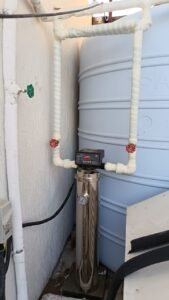
A complete guide to the Japanese water
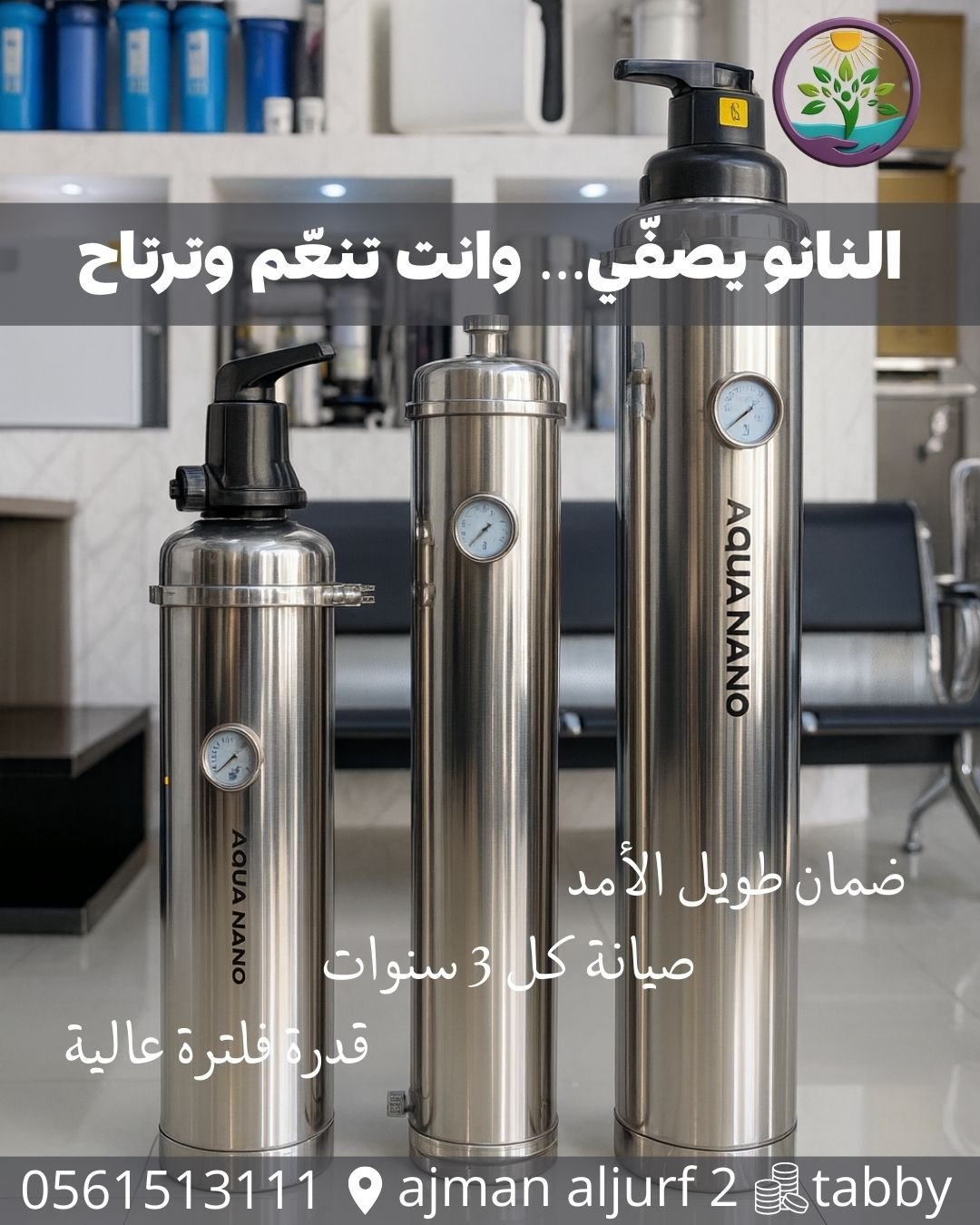
A practical 2026 guide to choosing the
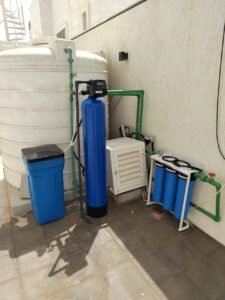
A practical guide to water filter systems
 Call Us - اتصل بنا